Managing daily finances has become simpler with the rise of digital tools, especially a modern UPI app. From sending money instantly to handling routine bill payment, users now rely on mobile-based solutions for convenience and speed. Alongside these tools, many people also use a loan app to handle short-term financial needs, making it even more important to build disciplined payment habits.
A structured approach to using a UPI app not only improves transaction efficiency but also supports better financial awareness. Whether it is tracking expenses, managing bill payment schedules, or coordinating repayments through a loan app, smart habits can reduce financial stress and improve control over money.
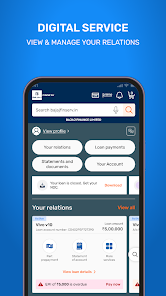
This article explores practical ways to develop better payment behavior using a UPI app, helping users stay organized and consistent in their financial routines.
Understanding the Role of a UPI App in Daily Payments
A UPI app acts as a central platform for multiple financial activities. It allows users to transfer money, pay utility bills, recharge services, and even track transaction history in one place.
Key Benefits of Using a UPI App
- Instant fund transfers without delays
- Easy integration with bank accounts
- Simplified bill payment processes
- Real-time transaction tracking
- Reduced dependency on cash
With these features, users can move towards a more structured financial lifestyle. However, simply using the app is not enough. The real benefit comes from building habits around it.
Building Consistency in Bill Payment Routines
One of the most important financial habits is paying bills on time. Late payments often lead to penalties and disrupt financial planning.
How a UPI App Helps
A UPI app simplifies bill payment by offering reminders, quick access to service providers, and transaction records. This reduces the chances of missing due dates.
Practical Tips
Set Fixed Payment Dates
Choose specific dates each month for all bill payment activities. This creates a predictable routine and avoids last-minute pressure.
Use Payment History for Tracking
Regularly reviewing transaction history helps identify recurring expenses and ensures no bill payment is missed.
Avoid Splitting Payments Randomly
Keeping bill payment organized within one platform prevents confusion and improves clarity in financial tracking.
Managing Small Expenses Effectively
Frequent small payments often go unnoticed but can impact overall budgeting.
Why It Matters
Daily expenses such as groceries, transport, and subscriptions add up over time. A UPI app helps record these transactions automatically.
Smart Habit Formation
Review Weekly Spending
Set aside time each week to analyze spending patterns within the app.
Categorize Expenses Mentally
Even if the app does not provide categories, users can mentally group expenses into needs and non-essential spending.
Limit Impulse Transactions
Avoid making quick payments without considering necessity. A few seconds of pause can prevent unnecessary expenses.
Using a UPI App Alongside a Loan App
Many users combine digital payments with borrowing tools like a loan app. While this offers flexibility, it requires discipline.
Balancing Borrowing and Spending
Using a loan app for emergency needs is helpful, but repayment planning should be aligned with spending habits tracked through a UPI app.
Responsible Practices
Track Loan Repayments
Always record repayment dates and amounts. Using the UPI app for these transactions ensures proper documentation.
Avoid Overdependence
Frequent use of a loan app without proper planning can lead to financial imbalance.
Align Payments with Income Cycles
Schedule repayments and bill payment activities around income dates to maintain stability.
Improving Financial Awareness Through Data
A UPI app provides valuable transaction data that can improve decision-making.
Using Data for Better Control
Transaction records show where money is going, helping users adjust their spending habits.
Actionable Steps
Identify High-Spend Areas
Look for categories where spending is higher than expected.
Reduce Unnecessary Payments
Cut down on expenses that do not add value to daily life.
Plan Future Payments
Use past data to estimate upcoming bill payment needs and allocate funds accordingly.
Creating a Structured Monthly Payment Plan
Without a plan, even the best tools cannot ensure financial discipline.
Elements of a Payment Plan
- Fixed bill payment schedule
- Budget allocation for daily expenses
- Savings contribution
- Loan repayment planning
Implementation Strategy
Start With Essentials
List all mandatory payments such as utilities and subscriptions.
Allocate Funds in Advance
Ensure enough balance is maintained for all bill payment requirements.
Monitor Regularly
Check progress throughout the month to stay aligned with the plan.
Avoiding Common Mistakes in Digital Payments
While a UPI app offers convenience, misuse can lead to financial confusion.
Common Issues
- Ignoring transaction records
- Making duplicate payments
- Missing bill payment deadlines
- Overusing a loan app for non-essential spending
Preventive Measures
Double-Check Transactions
Always verify payment details before confirming.
Maintain Payment Discipline
Stick to a fixed schedule instead of random transactions.
Stay Within Budget Limits
Avoid exceeding planned spending amounts.
Developing Long-Term Financial Discipline
Smart payment habits are not built overnight. They require consistency and awareness.
Habit Formation Techniques
Start Small
Focus on improving one area, such as bill payment, before expanding to other habits.
Stay Consistent
Repeat the same payment routine every month to build stability.
Evaluate Progress
Regularly assess financial behavior and make adjustments when necessary.
Conclusion
A modern UPI app is more than just a payment tool. It serves as a foundation for building disciplined financial habits when used correctly. By organizing bill payment schedules, tracking daily expenses, and aligning transactions with income, users can create a stable financial routine.
When combined thoughtfully with a loan app, it becomes easier to manage both spending and borrowing without losing control. Consistent monitoring, careful planning, and responsible usage ensure that digital payment tools work in favor of long-term financial health.
Developing smart habits around bill payment and maintaining balance while using a loan app can lead to better financial clarity and reduced stress. Over time, these practices contribute to improved money management and a more structured approach to handling everyday expenses.